

MOTS-c 10 mg: The Revolutionary Mitochondrial-Derived Peptide for Metabolic Optimization
Dragon Pharma introduces MOTS-c 10 mg, a groundbreaking mitochondrial-derived peptide that represents a paradigm shift in metabolic and exercise performance research. Unlike traditional peptides synthesized in laboratories, MOTS-c (Mitochondrial Open Reading Frame of the 12S rRNA-c) is encoded within the mitochondrial genome and plays a crucial role in cellular communication between mitochondria and the nucleus. This innovative peptide has demonstrated remarkable abilities to enhance metabolic flexibility, improve insulin sensitivity, and promote exercise performance by optimizing cellular energy production. For bodybuilders and athletes, Dragon Pharma MOTS-c offers unprecedented research opportunities in metabolic health, endurance enhancement, and age-related metabolic decline.
DRUG DESCRIPTION
Dragon Pharma’s MOTS-c is supplied as a high-purity, sterile lyophilized powder in a 10 mg / 2 mL vial. MOTS-c is a 16-amino acid peptide that is naturally encoded in the mitochondrial DNA and translated within mitochondria, making it unique among research peptides. Its primary mechanism of action involves translocation to the nucleus during metabolic stress, where it regulates nuclear gene expression through interaction with the antioxidant response pathway. MOTS-c activates AMPK (AMP-activated protein kinase), often described as the “master metabolic switch,” while simultaneously inhibiting the folate cycle and de novo purine synthesis. This dual action shifts cellular metabolism toward glucose utilization and enhances insulin sensitivity. Additionally, MOTS-c has been shown to promote mitochondrial biogenesis and protect against age-related and diet-induced metabolic disturbances, making it a powerful tool for studying metabolic syndrome, insulin resistance, and exercise performance optimization.
MOTS-C PROFILE
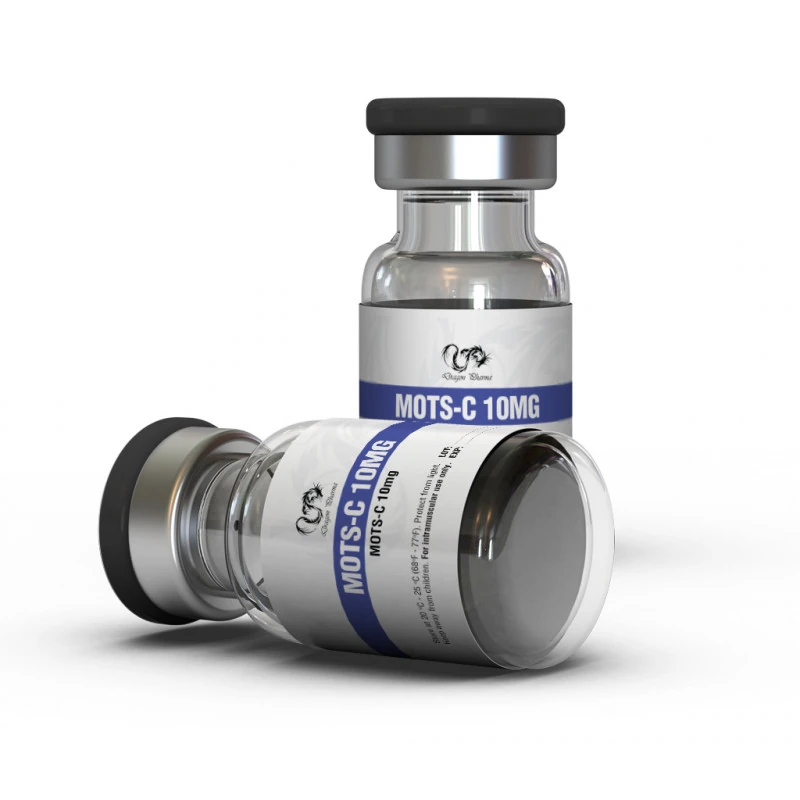
Drug Class: Mitochondrial Peptide
Main Active Substance: MOTS-c
Concentration: 10 mg/vial
Presentation: 2 mL Vial
Elimination Half-Life: Not well documented
Recommended Dosage: 5-10 mg, 2-3 times weekly
Anabolic Ratio: N/A
Androgenic Ratio: N/A
Acne: No
Hepatotoxicity: No
Aromatization: No
Manufacturer: Dragon Pharma
HOW TO USE MOTS-C
For research purposes, MOTS-c 10 mg is reconstituted with bacteriostatic water. Research protocols typically involve subcutaneous administration 2-3 times per week due to the peptide’s relatively short half-life but sustained cellular effects. Common research doses range from 5-10 mg weekly, often divided into 2.5-5 mg administrations. Research cycles typically last 8-12 weeks to observe significant metabolic adaptations. MOTS-c is frequently researched as part of comprehensive metabolic and performance optimization stacks. It combines powerfully with Aicar 50 mg for enhanced AMPK activation and metabolic flexibility research. For body recomposition studies, it pairs effectively with Testabol 400 to optimize nutrient partitioning and insulin sensitivity. During cutting phases with compounds like Clenbuterol, MOTS-c provides complementary metabolic enhancement without additional stimulant effects. For endurance athletes, it can be stacked with EQ 300 to maximize aerobic capacity and metabolic efficiency. For comprehensive anti-aging research, it pairs well with NAD+ to address multiple aspects of cellular aging and mitochondrial function.
POSSIBLE SIDE EFFECTS
MOTS-c is exceptionally well-tolerated in research settings, with an excellent safety profile due to its natural origin and physiological mechanism of action. The most common effects are limited to mild injection site reactions such as temporary redness or discomfort. Some research subjects report transient increases in energy and mild appetite suppression, which are consistent with AMPK activation and improved metabolic efficiency. Unlike many metabolic compounds, MOTS-c does not cause gastrointestinal distress, jitters, or cardiovascular stimulation. There is no risk of hormonal disruption, organ toxicity, or dependency with proper dosing. The peptide’s natural role in cellular metabolism means it works in harmony with physiological processes rather than forcing artificial changes. Its insulin-sensitizing effects are particularly valuable for research subjects concerned about metabolic health, as it addresses root causes of insulin resistance rather than just managing symptoms.
CONCLUSION
Dragon Pharma’s MOTS-c 10 mg represents a revolutionary approach to metabolic research, offering a naturally occurring mitochondrial peptide that addresses fundamental aspects of cellular energy regulation and metabolic health. Its unique mechanism of nuclear-mitochondrial communication makes it particularly valuable for studying metabolic syndrome, age-related metabolic decline, and exercise performance optimization. Unlike synthetic compounds that force metabolic changes, MOTS-c works by enhancing the body’s natural metabolic regulatory systems, making it suitable for long-term research protocols. When implemented within structured research studies that account for its AMPK-activating properties and include appropriate metabolic monitoring, MOTS-c can yield profound insights into insulin sensitivity, mitochondrial function, and overall metabolic flexibility. For researchers exploring the frontiers of metabolic medicine, exercise physiology, and healthy aging, Dragon Pharma MOTS-c provides a sophisticated, physiologically-relevant tool for groundbreaking studies.
MOTS-C FAQ
While AOD9604 5 mg works through growth hormone fragment mechanisms primarily focused on fat metabolism, MOTS-c operates through mitochondrial-nuclear communication and AMPK activation to improve overall metabolic flexibility and insulin sensitivity. Their complementary mechanisms make them valuable for different aspects of metabolic research.
Yes, this is one of its most promising research applications. MOTS-c levels naturally decrease with age, and supplementation research has shown potential in reversing age-related insulin resistance, mitochondrial dysfunction, and metabolic inflexibility—key factors in age-related metabolic diseases.
Initial effects on energy metabolism and insulin sensitivity can often be detected within 2-4 weeks, with significant improvements in metabolic parameters typically observed after 8-12 weeks of consistent administration in research settings.
MOTS-c’s insulin-sensitizing properties make it particularly valuable for metabolic syndrome and prediabetes research. However, researchers should implement careful glucose monitoring as improved insulin sensitivity may require medication adjustments in diabetic research models.
Yes, through improved mitochondrial function, enhanced metabolic flexibility, and potentially reduced exercise-induced oxidative stress, MOTS-c may improve endurance capacity, recovery between training sessions, and overall exercise tolerance in research models. For scientific context, see: National Library of Medicine – AMPK Signaling.